Industrial 3D printing
    technologies

    D-REAM produces with three industrial 3D printing technologies.

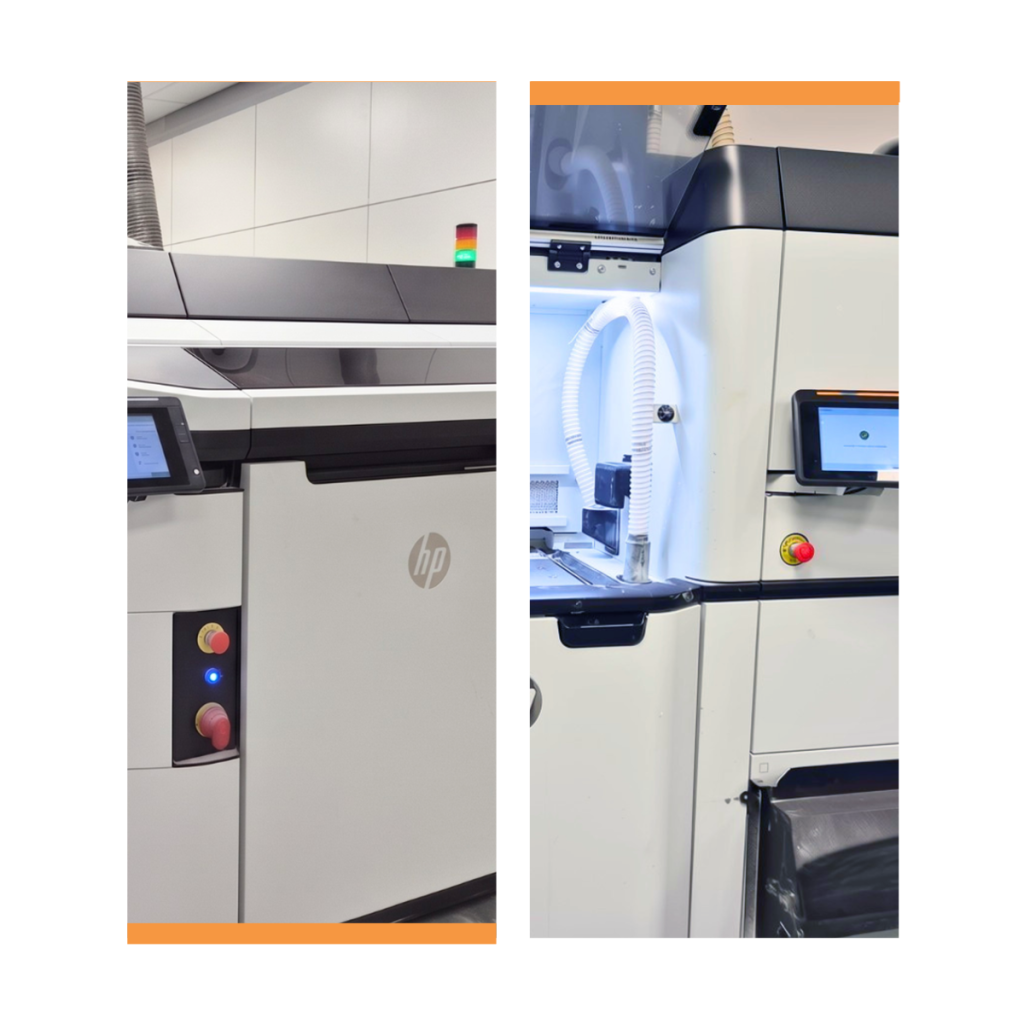
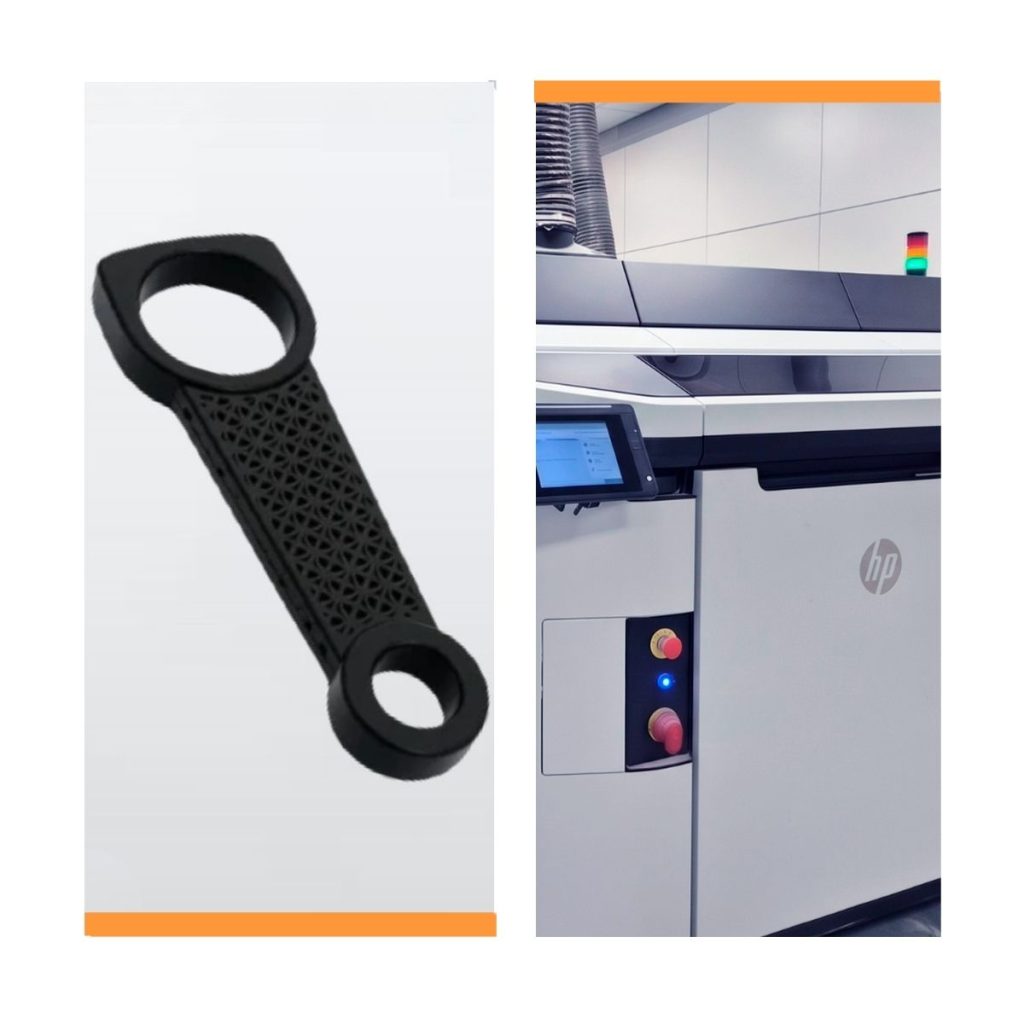
    • HP Multi Jet Fusion (MJF) makes functional components, production aids, flexible parts and small batches in engineering nylon and TPU.
    • Stereolithography (SLA) makes quick, economical visual prototypes and form checks.
    • DLP (Digital Light Processing) makes rigid, impact-resistant resin parts, including clear ones, with an excellent surface finish. The choice starts with what the part has to do.

    The Three Technologies Compared

    HP Multi Jet Fusion SLA DLP
    How it works A fusing agent and heat selectively fuse a powder, layer by layer A laser solidifies liquid resin, layer by layer A projector cures a whole layer of resin in a single exposure
    Materials PA12, PA12 GB, TPU White SLA resin, black SLA resin IND405 resin, black or clear
    Ideal for Functional prototypes, fixtures, flexible parts, small batches Visual prototypes, form checks, assembly checks Fixtures, housings, functional prototypes, clear parts
    Surface Matte and slightly grainy, with six finishes available Smooth and even Excellent surface finish, single finish
    Good to know More uniform mechanical properties than many extrusion technologies Not suited to high mechanical stress Parts up to 25 x 25 x 25 cm

    Which technology
    should you choose?

    • Does the part have to flex or absorb impact like rubber? HP MJF with TPU.
    • Does it carry loads, work inside a machine or run in small batches? HP MJF with PA12 or PA12 GB.
    • Do you need to check form, fit and appearance quickly and cheaply? SLA.
    • Do you need a rigid, impact-resistant resin part, or a clear one? DLP with IND405 resin.
      Not sure?

    Upload your file to the quoting tool and compare technologies, materials and costs on the same part.

    For complex projects that need dedicated advice, we refer you to Prototek, the Dedem Group company specialising in DfAM consultancy.

    HP Multi Jet Fusion (MJF)

    HP’s powder-bed technology for functional parts: dense, repeatable and producible from a single part to a small batch, with no tooling and no support structures.

    Materials: PA12, glass-filled PA12 GB and TPU.

    Stereolitography (SLA)

    The rapid prototyping technology: smooth surface, fine detail, fast turnaround and low cost, for validating form and appearance before moving to an engineering material.

    Materials: white and black SLA resin.

    DLP (Digital Light Processing)

    The technology for engineering resin parts: rigid, impact-resistant and with an excellent surface finish, also in a clear version.

    Material: IND405 Clear resin.

    tecnologie e materiali hp image

    From technology
    to finish

    The technology defines geometry and mechanical performance; the finish defines appearance and some functional properties.

    HP MJF parts can be completed with five finishes, from natural grey to vapour smoothing.

    FAQ

    Answers to frequently asked questions about quotes, materials, technologies, and lead times for industrial 3D printing.

      contact us

      For a quote, the fastest option is our online quoting tool: upload your file and get an immediate estimate of costs and lead times. For any other information about materials, technologies, production timelines, or order management, our team is here to help.