


D-REAM offers six industrial 3D printing materials: PA12 (polyamide 12, or nylon 12), glass-filled PA12 GB and flexible TPU in HP Multi Jet Fusion; white and black SLA resin in stereolithography; and IND405 clear resin, in DLP.
PA12 is the versatile choice for functional parts, PA12 GB the stiffest and TPU the most flexible. The resins cover visual prototypes (SLA) and rigid, impact-resistant parts (IND405).
| Material | Technology | Key characteristic | Best for |
|---|---|---|---|
| PA12 Nylon | HP MJF | Versatile, impact-resistant, dimensionally stable | Functional components and small batches |
| PA12 GB | HP MJF | The stiffest material in the range | Fixtures and structural parts |
| TPU | HP MJF | Flexible, abrasion-resistant | Seals, guards, wear components |
| White SLA resin | SLA | Smooth surface, fast and economical | Visual prototypes and form checks |
| Black SLA resin | SLA | As white, in black | Visible prototypes |
| IND405 resin | DLP | Rigid, impact-resistant, also available clear | Fixtures, housings, functional prototypes |
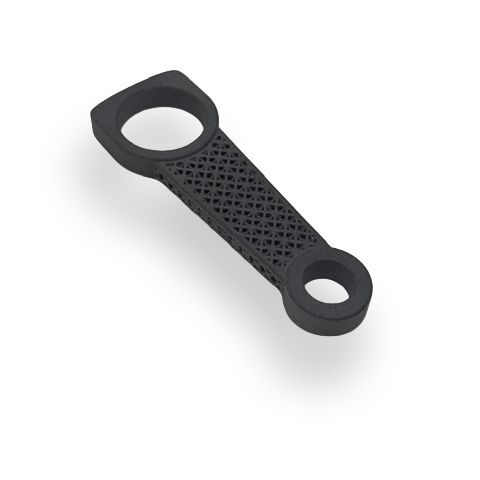
PA12 Nylon is a benchmark engineering thermoplastic for industrial 3D printing. With HP MJF, it delivers impact resistance, dimensional stability and fine detail, even for complex geometries. It also resists oils, greases and hydrocarbons; for prolonged chemical exposure, verify compatibility with your operating conditions.
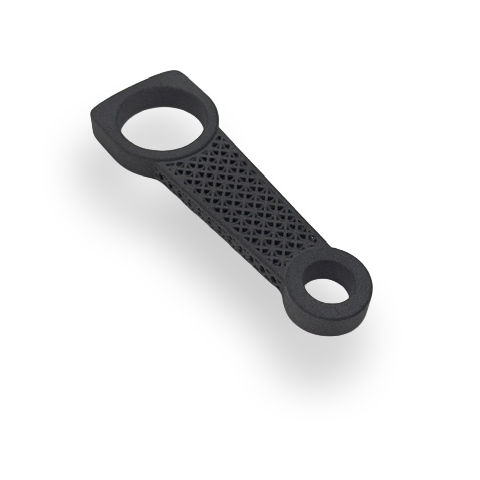
PA12 GB is PA12 reinforced with glass beads. Compared with standard PA12 it is stiffer and keeps excellent dimensional stability and repeatability, giving good performance for the price on structural components.
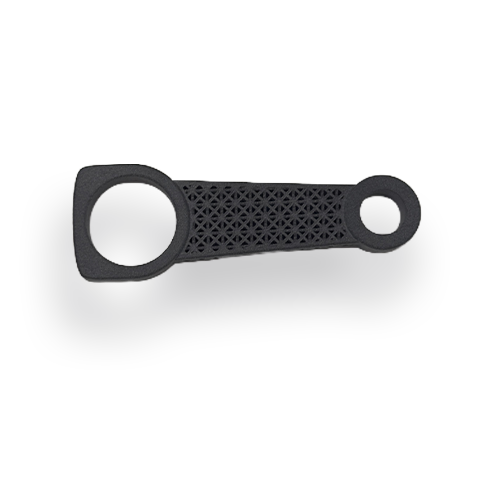
TPU (thermoplastic polyurethane) is an engineering elastomer: it combines the elasticity of rubber with the toughness of an engineering plastic. Printed in HP MJF, it has more uniform mechanical properties than extrusion printing (FDM), along with good resistance to abrasion and to agents such as oils, greases and solvents.
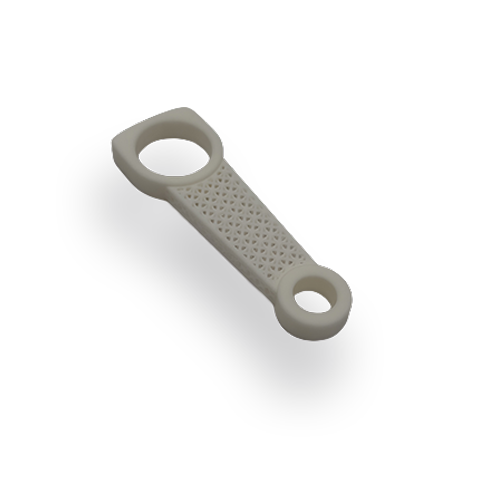
White SLA resin is a rigid, single-component stereolithography resin designed for visual and functional prototypes with good surface quality, produced quickly and at low cost. The surface is smooth and even. It is the material for validating form and geometry before moving to an engineering material.
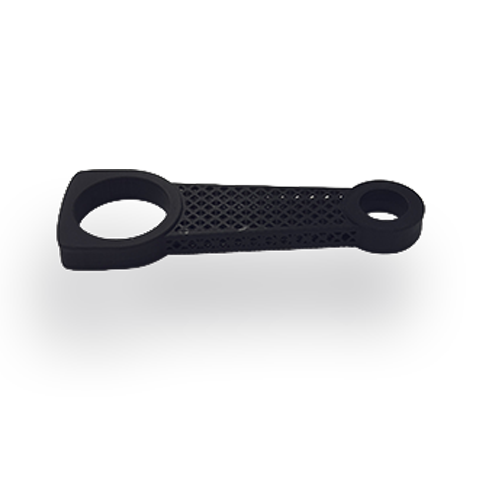
Black SLA resin has the same base as white SLA resin, coloured black: the same print speed, the same surface finish and an appearance closer to the finished product.
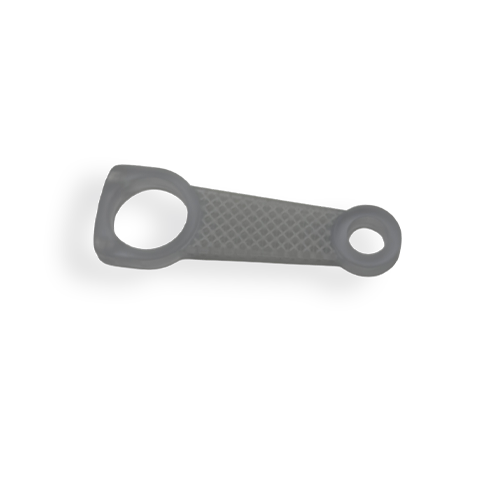
IND405 is a rigid, durable resin with high strength and high elongation, excellent impact resistance and an excellent surface finish.
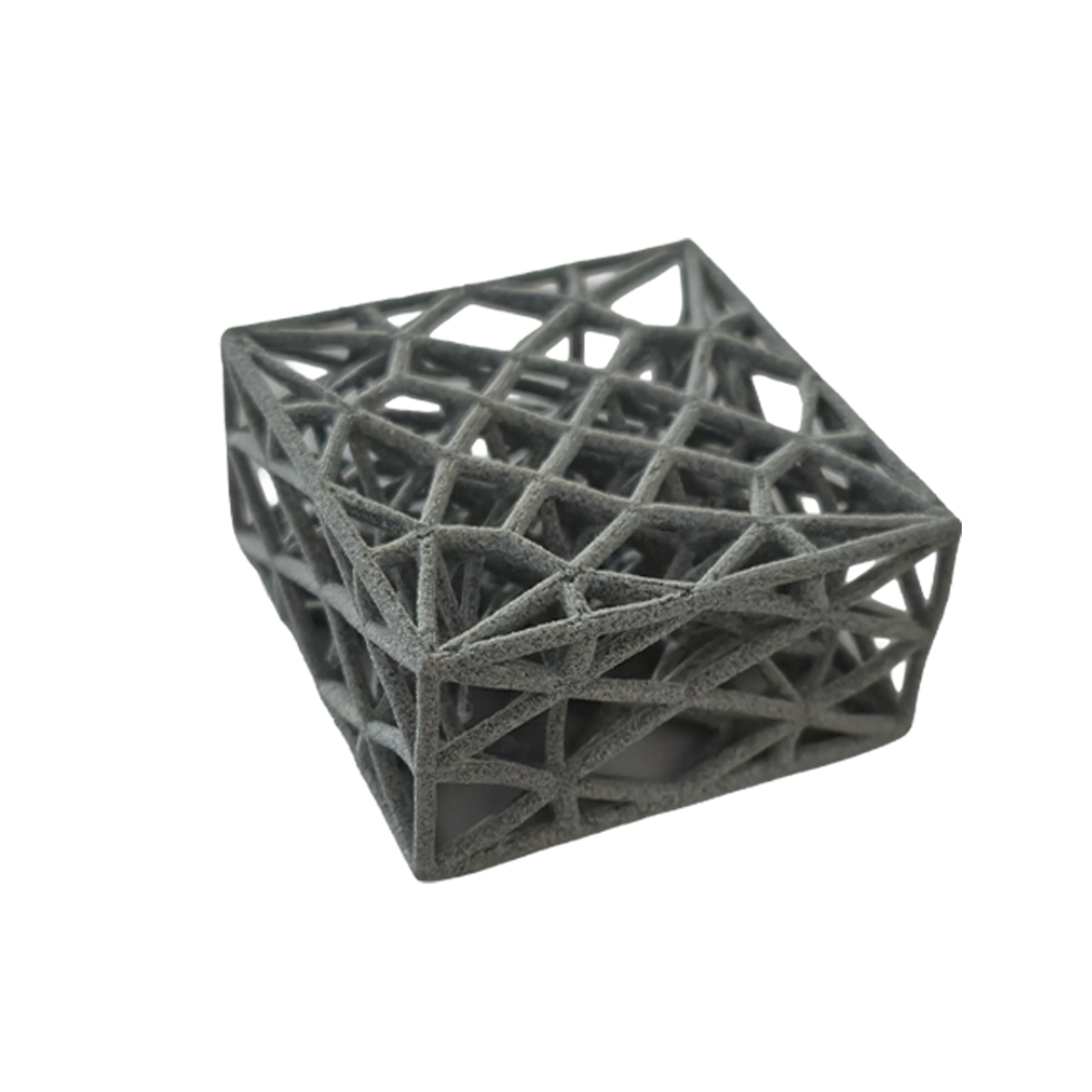
Start with what the part has to do:
Upload your file to the quoting tool to compare materials and costs on the same part, or read the Technologies page to see how each process affects the final properties. Final performance depends on geometry, orientation, finish and operating conditions.
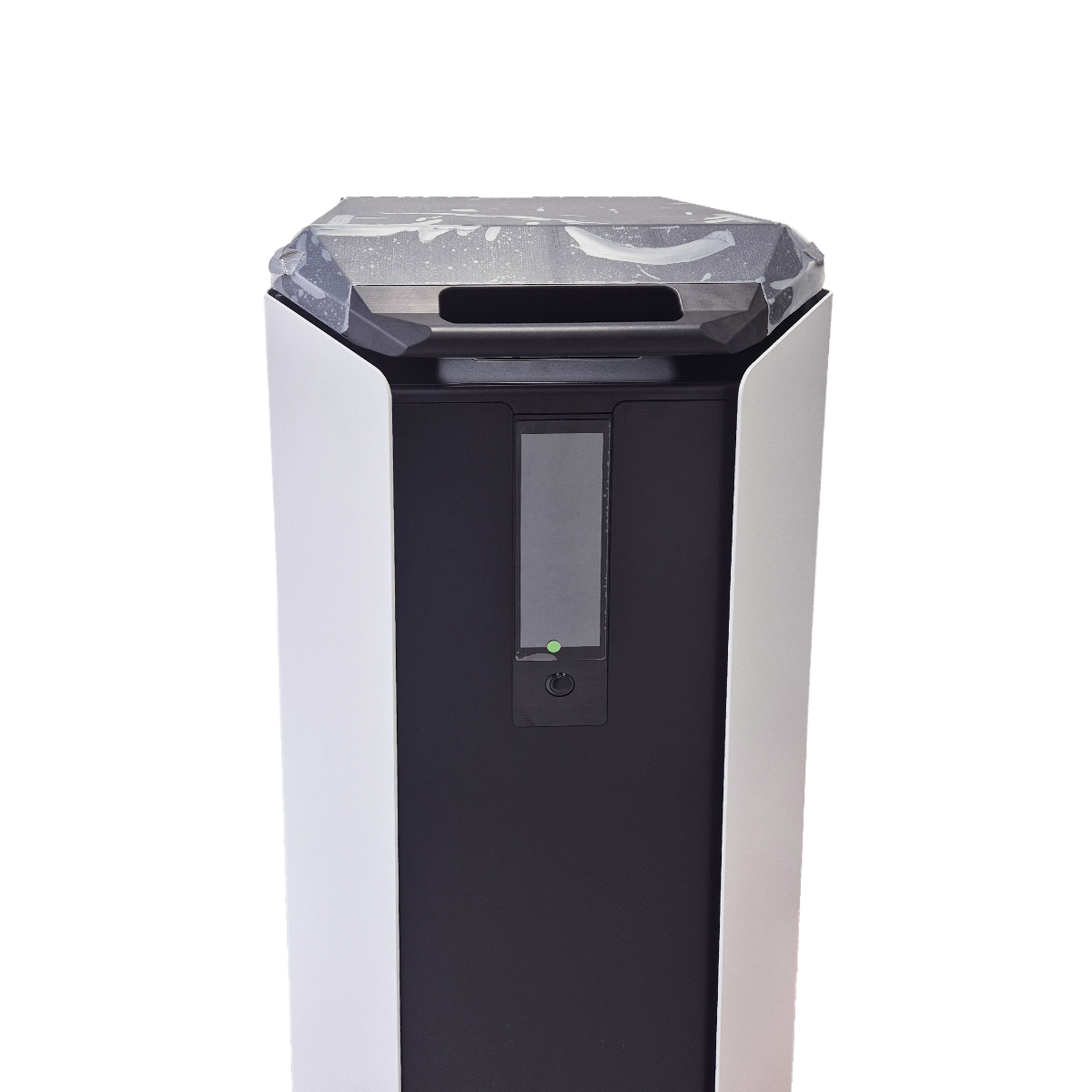
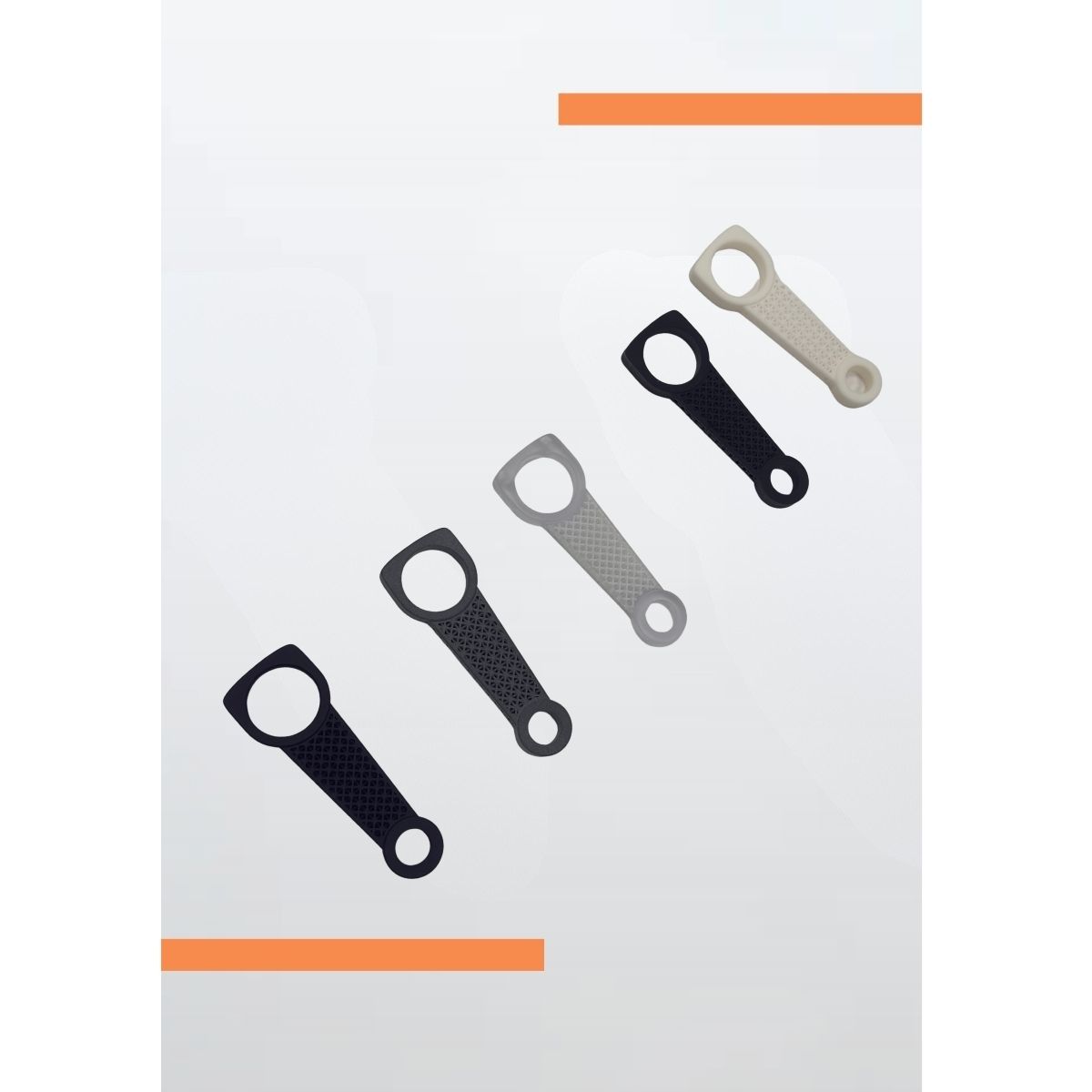
HP Multi Jet Fusion parts at D-REAM can be completed with six finishes: Natural Grey (the base), Black dyed, Graphite, Shiny Black and Vapor Smoothing.
They change appearance, feel and wear resistance, not the material. All are available for PA12, PA12 GB and TPU. To choose, start from the use: functional part, visual prototype or visible component.
| Finish | Appearance | When to choose it | Good to know |
|---|---|---|---|
| Natural grey | Grey, matte, typical MJF texture | Functional parts, or parts for further processing | The base finish |
| Black dyed | Even black, rough but pleasant to the touch | Uniform colour at low cost | Does not make the surface smooth or glossy |
| Graphite | Bright, even grey | Visible components | One of the most requested finishes |
| Shiny Black | Smooth, glossy black | Premium visible components | More scratch-resistant surface |
| Vapor Smoothing | Smooth and sealed, up to glossy | Parts without print roughness | Three levels: Soft, Medium, Max |
This table is a guide: the final choice depends on the geometry, material and use of the part. Our team can help you choose.
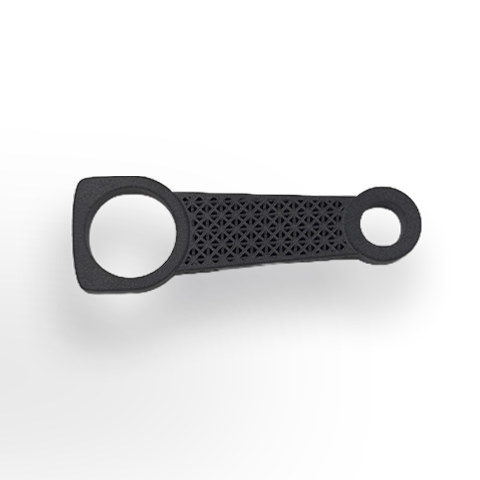
Parts are bead blasted to remove excess powder. This is the base finish, ideal for functional parts, internal components or parts destined for further work such as painting, assembly or machining.
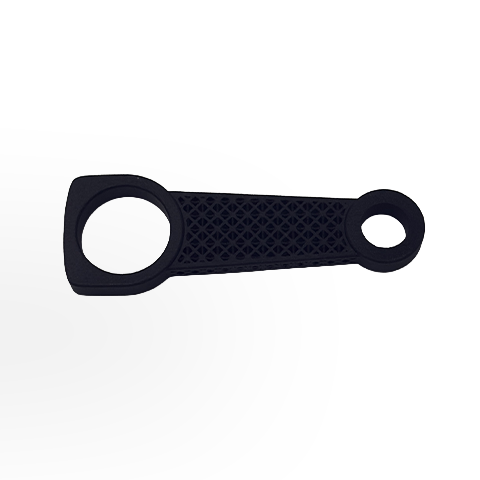
After bead blasting, the part is immersed in a dye made for polyamides. The result is an even black colour, with a surface that is rough but pleasant to the touch.
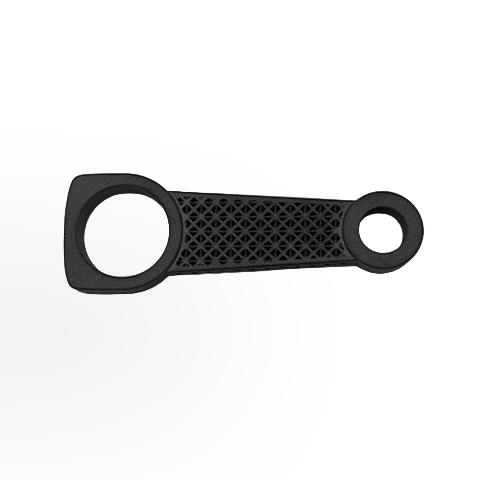
Two blasting passes: the first removes excess powder, the second lightly smooths the surface and gives it a bright, even grey colour. It is one of the most requested finishes for visible components.
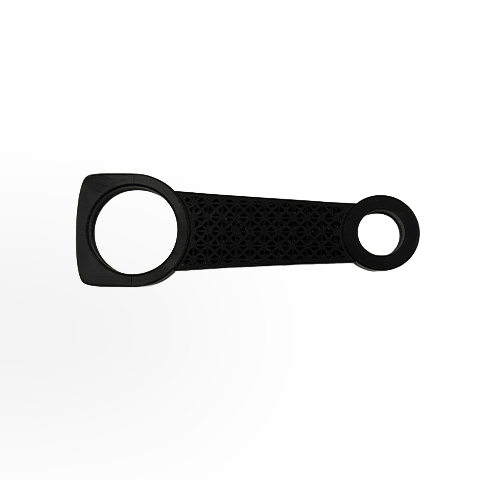
The part is bead blasted and immersed in black dye for polyamides; a second bead-blasting pass makes the surface smoother, glossier and more scratch-resistant.
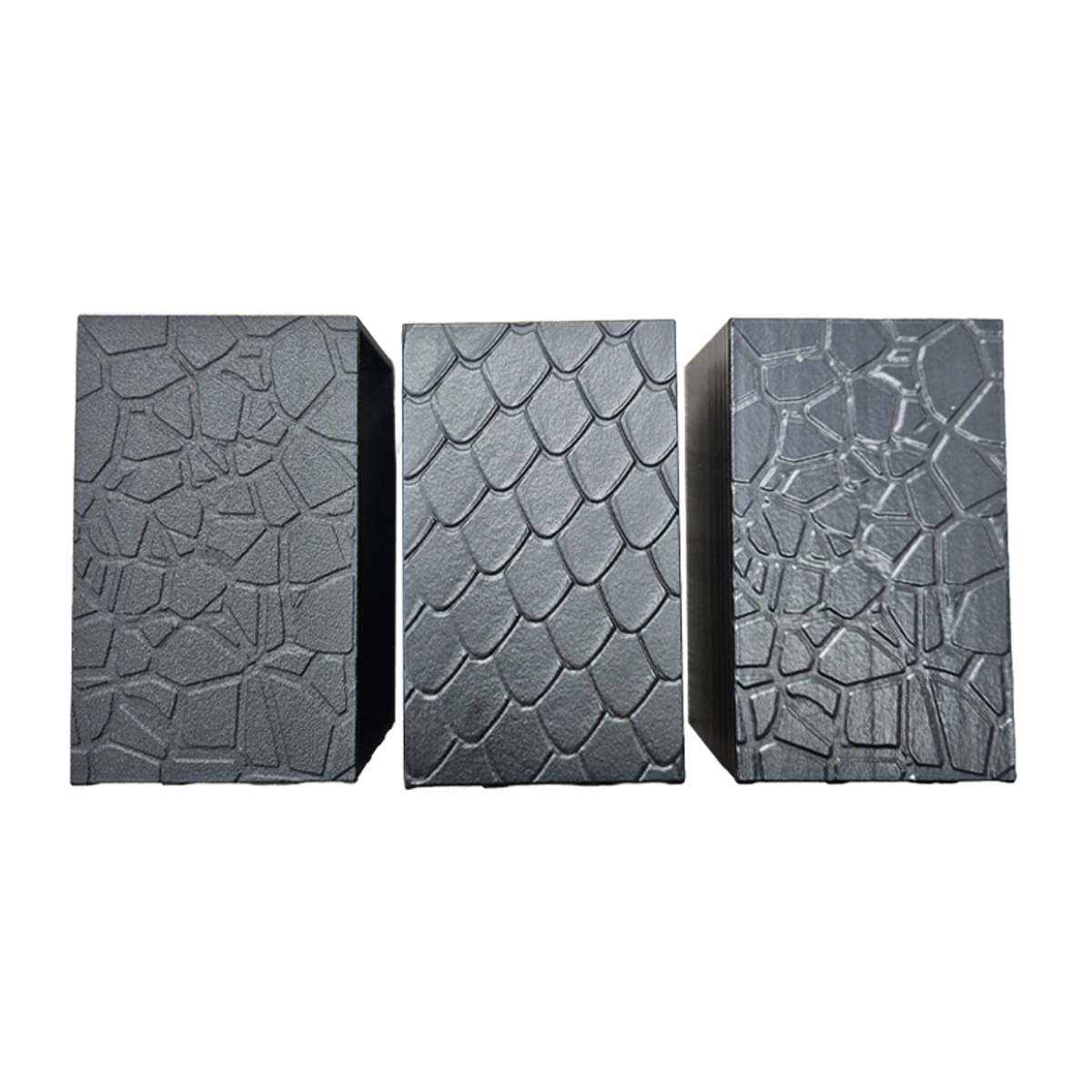
A chemical vapour process melts and smooths the outer surface, sealing it and reducing the roughness typical of powder-bed printing. Three levels are available:
Max: A high-gloss finish similar to injection-moulded parts, ideal for end-use and retail products.
| Requirement | Recommended finish |
|---|---|
| Functional part, for post-processing | Natural grey |
| Uniform colour at low cost | Black dyed |
| Premium aesthetics, bright surface | Graphite or Shiny Black |
| Smooth surface, without print roughness | Vapor Smoothing |
Indicative table: the final choice always depends on the geometry, material, and use of the component — our team can guide you in your choice.
Answers to frequently asked questions about quotes, materials, technologies, and lead times for industrial 3D printing.
For a quote, the fastest option is our online quoting tool: upload your file and get an immediate estimate of costs and lead times. For any other information about materials, technologies, production timelines, or order management, our team is here to help.
UPLOAD YOUR FILE. GET AN INSTANT QUOTE. START PRODUCTION.